In today’s rapidly evolving business landscape, staying ahead of the competition requires more than just a great product or service. It demands a deep understanding of the market, consumer behavior, and emerging trends. This is where the market research process becomes invaluable. In this blog post, we will delve more into market research and explore...
There is never a wrong time to do market research. However, most research projects are birthed because a company or organization is at a crossroads. Whether you’re a startup or Fortune 500 company, you’ll have critical decisions to make. This blog will detail common market research examples and how our clients have used them to...
Scent & Fragrance Testing Research: Methods & Best Practices
Emily Rodgers
Scent and Fragrance Testing Research in Short: Scent testing research helps brands understand how consumers perceive, experience, and respond to fragrances before products reach the market. Through methodologies like focus groups, central location tests (CLTs), in-home usage tests (IHUTs), sensory panels, and surveys, organizations can evaluate everything from fragrance appeal to purchase intent and emotional response. These insights help reduce launch risk and ensure businesses can better meet the expectations of their target audience.
Notes like vanilla, amber, and patchouli, mixed with citruses and earthy highlights. Masculine and feminine scent undertones, often combined into one. Nature-driven blends with lavender, cotton, and florals.
As complex as they are, fragrances create vastly different experiences depending on who’s smelling them. What may smell rich and homey to one person may be associated with a totally different memory or emotion for someone else.
Scent is processed so personally, developing a fragrance that resonates with consumers takes far more than creative intuition alone.
Whether you’re launching a new perfume, reformulating a home cleaning agent, or even updating the scent of a skincare product, important questions need to be answered before bringing it to market.
Will consumers enjoy the fragrance in everyday use?
Which scent profile is most appealing to your target audience?
Can you evaluate scents objectively without introducing bias during the research process?
Scent testing research works to solve these by providing meaningful consumer feedback that guides product development, validates fragrance decisions, and reduces risks around launch.
In this guide, we’ll explore the different research methodologies associated with scent testing, what the research actually measures by creating a comprehensive consumer picture, and best practices to deliver reliable, actionable insights.
Turn fragrance feedback into smarter business decisions with scent testing research.
Scent testing research helps brands uncover how fragrances influence different parts of a person, from their perceptions and emotional responses, to expectations and amount they can justify to spend.
These insights allow organizations to validate product concepts, refine formulations, and reduce uncertainty before launching a new scented product.
Because scent is such a personal experience, scientists have developed a variety of ways to evaluate how people experience scent.
Understanding how fragrance is closely tied to memory and emotion, these experts use advanced biometric technologies like electroencephalography (EEG) and galvanic skin response (GSR) to measure physiological reactions that participants may not recognize consciously.
Techniques like focus groups, CLTs, IHUTs, quantitative surveys, and trained sensory panels help brands not only understand why consumers prefer one fragrance over another, but the motivations behind these decisions that can strengthen their positioning and go-to-market strategy.
Why Scent and Fragrance Matter in Consumer Products
Scent continues to play an increasingly important role in how consumers discover, evaluate, and remember products. Whether it’s a signature perfume or the comforting aroma of a favorite type of coffee, fragrance often shapes first impressions long before consumers even realize it.
Scent Is Processed Differently Than Other Senses
Unlike sight or sound, scent is closely connected to areas of the brain responsible for memory or emotion. A familiar fragrance can instantly remind someone of a favorite vacation, recipe, or loved one without much conscious effort.
This close connection is one reason why fragrance preferences can differ so heavily between consumers. While one person may associate lavender with comfort and sleepiness, another may think it’s better suited in a household cleaner. Understanding those differences helps brands avoid making generalizations based solely on internal opinions.
Fragrance Drives Brand Recognition and Emotional Connection
For many consumers, fragrance becomes part of a product’s identity. Some people wear the same perfume for years because it becomes part of their personal brand, while others return to a favorite coffee shop, candle, or beauty product because the familiar scent creates a sense of consistency and comfort.
For example, if a household cleaner brand that had loyal buyers specifically because of the citrus scents they used in their products suddenly switched things up for softer, botanical notes, they might see a decline in sales because their target market isn’t getting the same experience they expect.
A Fragrance Mismatch Can Undermine an Otherwise Strong Product
Even a high-quality product can struggle if its fragrance doesn’t meet customer expectations. For example, if a luxury skincare brand uses an overpowering floral scent or one that is too powdery in their facial moisturizer, consumers may perceive that product as artificial, and not worth investing in for the long-term. The product itself can still perform well, but the fragrance can make or break buyer intent.
What Fragrance Testing Research Measures
Every fragrance testing study is designed around specific business objectives, but most evaluate a common set of consumer perceptions and behaviors.
Market research firms like Drive Research explore what drives those opinions and how fragrances influences experiences with some of the most common measurements here:
Overall Scent Appeal and First Impressions: Researchers evaluate consumers’ immediate reactions to determine if a fragrance creates a positive or negative first impression and aligns with expectations.
Intensity, Longevity, and Freshness: Studies assess if a fragrance is too subtle, too overwhelming, or maintains just the right balance for its intended use.
Attribute Ratings: Beyond overall appeal, researchers will ask consumers to rate on specific, advanced characteristics like perceived quality, distinctiveness, and even sophistication. These help identify which aspects are resonating and which may need refinement.
Emotional Associations and Mood Respond: Researchers often explore how a scent makes consumers feel and what memories or associations it evokes.
Purchase Intent and Competitive Preference: Researchers measure whether exposure to a fragrance will drive the likelihood of purchasing (and repeat purchases) while also comparing multiple fragrance options to see which performs best against competing options.
Research Measure
Questions It Helps Answer
Overall Appeal
Do consumers like the fragrance and does it create a positive first impression?
Fragrance Performance
Is the scent too strong, too weak, or does it last the right amount of time?
Attribute Ratings
Does the fragrance feel pleasant, distinctive, and consistent with the product?
Emotional Response
What emotions, memories, or associations does the fragrance create?
Purchase and Preference
Would consumers buy the product? What would they prefer over competing ones?
Types of Scent Testing Research
Fragrance testing can take on many forms depending on what a brand hopes to learn. Some studies focus on revealing the deeper thoughts and emotional meanings that are associated with scent while others want to put numbers to preferences.
Below are some of the most common types of scent testing research.
Qualitative Fragrance Research: Qualitative studies explore the thoughts, emotions, and personal experiences consumers associate with different fragrances. Focus groups are used here to encourage discussions between participants, helping researchers identify themes, preferences, and commonly used language to describe scents. In-depth interviews (IDIs) are also used to provide a more one-on-one setting where researchers can dig deeper into memories and motivations that may not come in group conversations.
Quantitative Fragrance Surveys: Quantitative research measures fragrance preferences across a larger consumer sample. Using structured surveys, this approach helps brands quantify attributes like scent appeal and purchase intent while finding statistical trends within their target audience.
Sensory Panel Evaluation: Sensory panels use trained evaluators or screened consumers to assess fragrance characteristics. These studies provide consistent evaluations that can help compare multiple formulas or identify opportunities to refine products before they are launched.
Comparative and Head-to-Head Fragrance Testing: Comparative testing puts to or more fragrances side by side, helping researchers see which formulations perform best against their alternatives. This is especially useful for comparing new formulations, benchmarking against competitors, and choosing the strongest profiles.
Research Tip: Qualitative and quantitative research often work best together. Many fragrance studies can begin with focus groups or IDIs, and then moving into a larger quantitative study to validate those findings.
Fragrance Testing Methods
Again, there’s no one-size-fits-all approach to scent testing. The best methodology for you to use depends on the scope of your project objectives, budget, timeline, and target audience. While some methods are designed to collect in-depth qualitative feedback, others focus on gathering consumer preferences at scale. Here are some of the common ones used within fragrance research.
Central Location Testing (CLTs)
CLTs are where participants evaluate one or more fragrance samples in a controlled environment. This allows researchers to standardize testing conditions and compare immediate reactions while eliminating outside influences that can impact results.
Real-World Example of Fragrance CLT:
Drive Research recently partnered with a perfume brand to conduct a CLT comparing two formulations. The goal was to determine whether consumers could detect meaningful differences between the scents while collecting objective feedback to support product development decisions.
Our team recruited adults ages 18 to 44 who had recently purchased perfume or planned to within the next three months. Participants visited a focus group facility in Syracuse, NY, where they evaluated the fragrances in private interview rooms under consistent conditions. In total, the study collected feedback from 56 qualified participants, providing the client with a plethora of data to better understand how their products were perceived before moving forward.
In-Home Fragrance Testing
With IHUTs, participants receive fragrance samples to use at home, in their everyday routines, before providing feedback. This approach helps brands understand how fragrances perform over time and in real-world environments rather than a one-time session.
Moderated group discussions allow researchers to explore how consumers describe fragrances, what emotions they evoke, and how products may align with brand expectations. These conversations are designed to uncover details structured surveys may miss.
Online Surveys
With online surveys, researchers mail fragrance samples directly to participants, who then complete an online survey once they’ve finished their evaluation. This method balances the convenience and scalability of online research with gathering firsthand, natural reactions.
Research Tip: Your research objectives should determine the methodology, not the other way around! Defining what you want to learn first will ensure you pick the right method for actionable insights instead of interesting, but inconclusive, feedback.
Fragrance Testing Across Different Product Industries
A perfume, home cleaning product, and a food or beverage all rely on scent, but consumers evaluate them very differently. Understanding those expectations helps brands ask more meaningful research questions to develop products that better meet consumer needs.
Personal Care and Beauty Products
For beauty and personal care products, fragrance often plays a major role in the overall customer experience.
Consumers may provide feedback on how a perfume evolves pleasantly throughout the day and what other scents pop up from time and their body chemistry. They can also get asked about whether a shampoo or lotion leaves behind an appealing scent or not, or whether a facial moisturizer’s fragrance feels too overpowering for everyday use.
As we know from conducting retail market research, researchers will want participants to focus their evaluations around factors like scent longevity and emotional appeal.
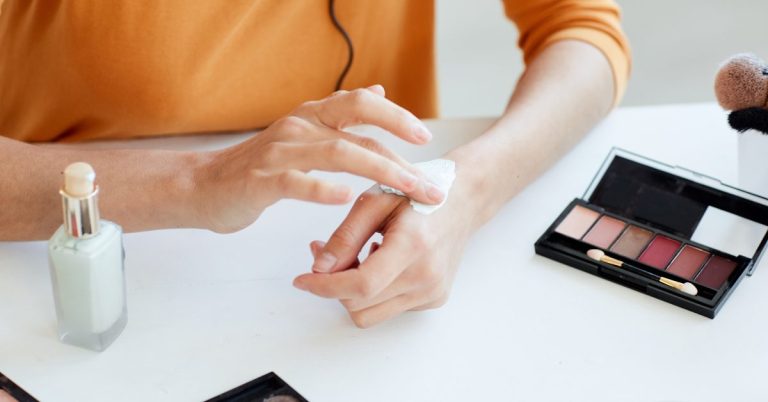
For perfumes and body sprays in particular, participants are often encouraged to wear the fragrance on pulse points throughout the day to understand how the scent develops over time, with daily activity, rather than judging it immediately after application.
Home Cleaning and Household Products
For home cleaning and household products, consumers often associate certain scents with cleanliness, freshness, or effectiveness.
For example, our research team may evaluate whether a laundry detergent leaves behind a fresh scene that doesn’t feel synthetic after washing or whether an all-purpose cleaner has a fragrance that’s nice to smell all day long without becoming overwhelming during use.
These studies also help identify which fragrances cause discomfort, like scents that may be too strong and cause headaches in enclosed spaces.
Food and Beverage (Aroma Evaluation)
Aroma is closely connected to flavor perception. Before they even take their first bite or sip, scent shapes expectations about freshness, quality, and overall taste for consumers.
Our firm often evaluates whether an aroma aligns with the intended flavor profile, complements the eating or drinking experience, and encourages purchase intent.
Because aroma and flavor are so intertwined, these studies help brands ensure consumers’ expectations match the actual product experience.
Key Takeaway: “Best” scents should always support the product, not compete with it. When researching scents, the fragrance that best fits the product usually fits the experience that consumers expect, whether that’s relaxation, luxury, comfort, or freshness.
Validate your next fragrance with data-driven market research.
How to Design a Fragrance Testing Study For Research
No two fragrances are the same, and even the slightest formulation differences between competing products can influence how consumers ultimately experience and like them. While every project has unique objectives, there is a general framework that successful scent studies follow to ensure actionable, reliable results.
Step 1: Define What the Fragrance Needs to Accomplish
Success for a fragrance needs to be clear upfront, and not broadly defined like, “Consumers have to like it.”
Some things to think about before hitting the ground running:
Is the goal to identify the most appealing scent out of a bunch?
Does your company want to compare two formulations?
Is the objective to learn more about how emotional responses are tied to your products?
The better defined your objectives are from the start, the easier it becomes to design a study that answers the right questions.
For example, a laundry detergent brand may prioritize freshness and a long-lasting scent, while a candle company may be looking to recreate the comfort and warmth of home.
Both are testing fragrances, but one might be focused more on understanding how to perceive product performance within every day routines while the other is trying to create an emotional connection that encourages repeat purchases.
Step 2: Decide: Blind or Branded Evaluation?
One of the earlier decisions a company will have to make with their scent research project is whether participants should know which brands they’re evaluating.
You have two options:
Blind testing removes preconceived opinions and allows participants to solely focus on the fragrance itself
Banded evaluations help researchers understand how branding ties to overall expectations of a scent.
Neither approach is universally better. If you’re refining a formula, blind testing can be useful for providing objective feedback of how your product is perceived before and after the changes your company made.
If you’re preparing for launch, branded testing can uncover insights on how your target audience might prioritize brand equity, packaging, or reputation along with scent.
Step 3: Recruit the Right Consumer Profile
Participant recruitment should reflect the consumers who are most likely to purchase or use the product regularly.
Depending on the study, researchers may recruit brand loyalists, competitive brand users, or even consumers with specific demographic or lifestyle characteristics.
A fragrance company that uses a younger pop star as its brand ambassador and designs teenage body sprays shouldn’t get feedback from adults in their 50s who are accustomed to more refined scent profiles.
Likewise, a premium home candle brand may want feedback from consumers who regularly purchase luxury home products instead of occasional shoppers.
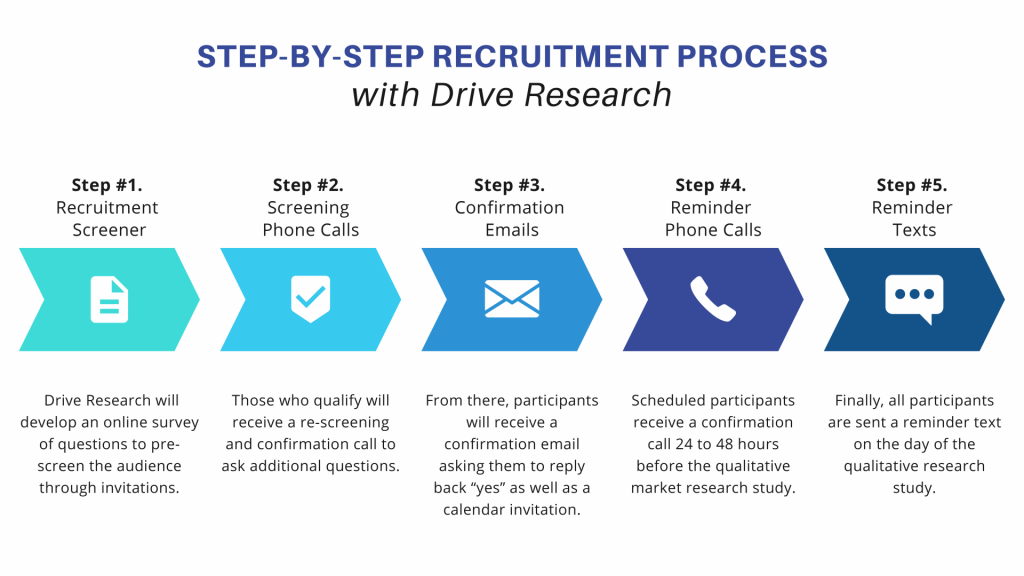
In any case, here is a closer looking at our recruitment process when sourcing and scheduling participants for scent testing research.
Step 4: Control for Fatigue and Scent Carry-Over
Have you ever noticed when you’re shopping for a new fragrance how there’s usually a small, plastic cup of coffee beans nearby that you’re encouraged to sniff between testing scents?
This is to help combat fragrance fatigue. This fatigue can even happen during research sessions if participants evaluate too many scents at once, causing skewed results.
Researchers account for this by limiting the number of scents participants evaluate, randomizing presentation order, allowing breaks, and standardizing other small details to encourage a fairer evaluation overall.
Step 5: Collect Feedback and Translate to Formulation or Positioning Decisions
Once feedback is collected, the real value comes from understanding what the findings mean for product development and business strategy.
Our scent testing research firm analyzes both quantitative and qualitative data to identify patterns, explain preferences, and recommended next steps.
Sometimes, the data will reveal clearly which fragrance to move forward with. Other times, it may show that internal assumptions were off, and a product’s branding or positioning doesn’t align with how consumers perceive the scent.
Either way, even if further changes need to be made after gathering data, knowing this earlier in the research process is much better for companies that want to save time and money than trying to fix problems post-launch.
Step
Key Question
Why It Matters
Define objectives
What decision are we trying to make?
Keeps the study focused.
Choose evaluation type
Should testing be blind or branded?
Removes or measures brand influence.
Recruit participants
Who are the right people to provide feedback?
Ensures insights reflect the target audience.
Control testing
How do we reduce bias?
Improves data quality and reliability.
Analyze results
What do the findings tell us?
Turns feedback into business decisions.
Frequently Asked Questions About Scent Testing Research and Fragrance Testing
What is scent testing research?
Scent testing research is a type of market research that evaluates how consumers experience, perceive, and respond to fragrances. Depending on the purpose and scope of a study, brands may test scene appeal, emotional associations, intensity, longevity, and purchase intent through different research methods like surveys, IHUTs, CLTs, or focus groups. The goal here is to collect consumer feedback that helps brands refine fragrance formulations, reduce product risk, and better meet what their customers want.
What is fragrance testing in market research?
Fragrance testing in market research measures consumer reactions to products before they are reformulated or officially launched. Researchers father feedback on factors like scent strength, uniqueness, and likelihood to purchase, which helps companies better understand their target audience’s preferences and make more data-informed decisions.
What attributes does fragrance testing measure?
Fragrance testing can measure several different attributes like scent intensity, pleasantness, emotional response, and first impressions. Depending on the research goals, brands may also evaluate how well a fragrance aligns with a product category, how two competing scents compare, and how certain fragrance profiles perform across certain audiences.
Can fragrance testing be done at home rather than in a lab?
Yes. Fragrance testing can be done at home using IHUTs. The way it would work is participants would receive product samples to use in their normal routines before completing interviews or surveys about their experiences. At-home testing allows researchers to see how fragrances perform over time in real-world settings. This makes this research method especially useful for testing around laundry detergents, household cleaners, and personal care products.
How many respondents do you need for fragrance testing?
As with other studies, the ideal sample size depends on a project’s objectives, target audience, and research methodology. Some qualitative studies, like focus groups or in-depth interviews, typically require less participants to get detailed feedback. Quantitative fragrance studies usually need larger groups to produce reliable results. This is where an experienced market research firm can help by recommending the right methodology and sample size based on your goals.
What product categories benefit most from scent testing research?
Scent testing research benefits nearly any product category where fragrance significantly influences customer experience. Common categories include household cleaning products, perfumes and cosmetics, skincare, haircare, soaps, and even laundry detergents. Food and beverage companies may also use scent testing research to see how consumers respond to how different flavors and scents intermingle and overall product appeal.
Scent testing has proven to be valuable across a variety of industries, including beauty, household products, and even healthcare, helping organizations understand in-depth how consumers are affected by fragrance on a physical, mental, and emotional level.
In turn, they are able to make better data-driven decisions before putting products out on the market.
At Drive Research, we design customized scent studies for everything from beauty market research to food and beverage. Aligning with your objectives, target audience, and timeline, our team delivers actionable insights that help you refine fragrances and launch with confidence.
Beauty Focus Groups: How to Get Unfiltered Consumer Insights
Blog Posts
Consumer Product Evaluation: What It Is and How It Works
Blog Posts
6 Factors to Consider Before a Product or Service Launch
When You Give Us A Cookie
We analyze more than data—we also track how our site is used to improve your experience. Cookies help us understand what’s working so we can deliver the most relevant insights. Click “Accept” to enable full functionality.
Functional
Always active
The technical storage or access is strictly necessary for the legitimate purpose of enabling the use of a specific service explicitly requested by the subscriber or user, or for the sole purpose of carrying out the transmission of a communication over an electronic communications network.
Preferences
The technical storage or access is necessary for the legitimate purpose of storing preferences that are not requested by the subscriber or user.
Statistics
The technical storage or access that is used exclusively for statistical purposes.The technical storage or access that is used exclusively for anonymous statistical purposes. Without a subpoena, voluntary compliance on the part of your Internet Service Provider, or additional records from a third party, information stored or retrieved for this purpose alone cannot usually be used to identify you.
Marketing
The technical storage or access is required to create user profiles to send advertising, or to track the user on a website or across several websites for similar marketing purposes.