In today’s rapidly evolving business landscape, staying ahead of the competition requires more than just a great product or service. It demands a deep understanding of the market, consumer behavior, and emerging trends. This is where the market research process becomes invaluable. In this blog post, we will delve more into market research and explore...
There is never a wrong time to do market research. However, most research projects are birthed because a company or organization is at a crossroads. Whether you’re a startup or Fortune 500 company, you’ll have critical decisions to make. This blog will detail common market research examples and how our clients have used them to...
Product Claims Testing: What It Is and How to Do It
Megan Dybczak
Product claims testing in short: Product claims testing shows real buyers the statements you plan to put on packaging or in ads, then measures which ones they believe, care about and would buy because of. Studies run as a standalone survey or as part of an in-home product test, and the results sort claims into table stakes, nice-to-haves and ones to drop. The biggest win is often finding the one claim competitors aren’t already making.
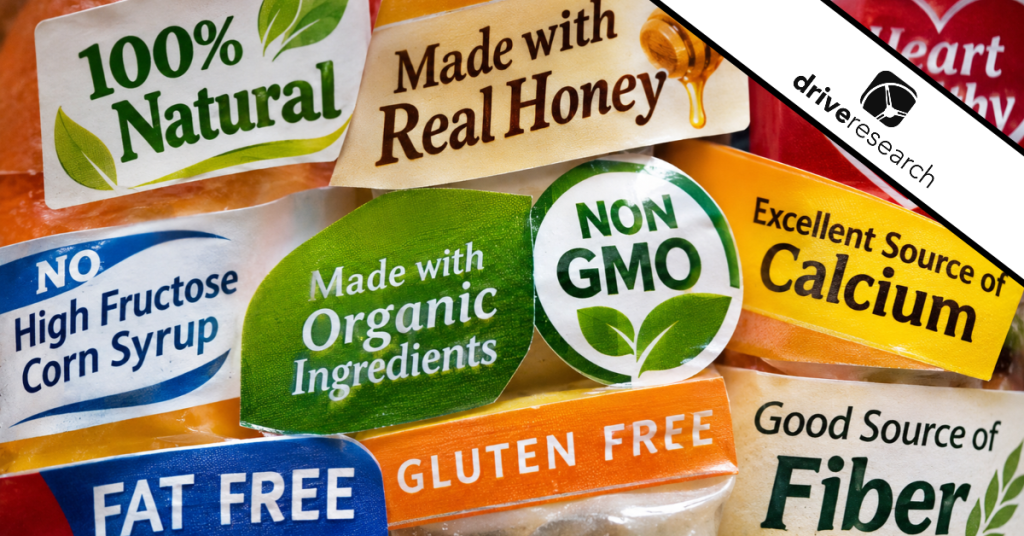
Marketing teams love a bold claim such as: “clinically proven,” “preferred 2 to 1 over the leading brand,” or “made with 100% recycled materials.” Claims like these can often be seen on packaging, in advertising, or on product detail pages.
However, even the strongest claim still needs to resonate with buyers. Determining which claims actually drive sales is a challenge for both new launches and established products. When a product underperforms, weak messaging is often part of the reason.
Claims testing puts these statements in front of real consumers. This type of research provides clear direction on which claims will motivate buyers and which ones won’t.
In this guide, we’ll cover what claims testing is, why it matters, common types of claims, key metrics, and how to run a study.
What is Product Claims Testing?
Product claims testing is a market research method used to evaluate how consumers respond to specific marketing statements before they go on packaging or in ads.
Unlike traditional product testing, which evaluates the physical item, claims testing focuses strictly on the language, helping brands pinpoint the claims most likely to persuade buyers.
While brands run this research in different ways, the setup is flexible. You can run a standalone claims testing survey, or layer claims questions into a larger study.
At Drive Research, we often build claims sections directly into our product tests, allowing participants to rate statements after spending real time using the product.
A standalone survey works best when you need fast feedback on messaging alone, while pairing claims with a product test ensures your top claims match the actual user experience.
Why Product Claims Testing Matters
Product claims testing matters because the statements that sound strongest in an internal meeting aren’t always the ones that convince shoppers to buy. Testing your claims with real consumers before going to market protects your budget, builds buyer trust, and catches misleading phrasing early.
Stronger Marketing Effectiveness
Claims testing provides insight into which statements drive purchase intent and which fall flat, so marketing dollars can focus on campaigns and messaging proven to resonate rather than on whatever sounds best internally.
This research is especially valuable for existing products that aren’t performing as well as expected. While the product is sometimes great, the messaging may fail to clearly communicate its benefits and why a consumer should consider purchasing it.
Testing helps pinpoint which claims are critical to consumers and which ones align with what the product does well.
Building Consumer Trust
Consumers are quick to call out claims that feel exaggerated or misleading. Testing claims before they go to market shows whether a brand’s audience finds them believable. It’s far better to learn this through survey results than online reviews, and using credible claims builds lasting trust in your brand.
Regulatory and Legal Risk Reduction
Making claims you can’t back up exposes your brand to regulatory scrutiny, competitor challenges, and lawsuits. While claims testing doesn’t replace legal review, it adds something legal review can’t provide: evidence of how consumers interpret a claim.
A claim can be technically accurate to a brand’s legal team and still read to shoppers like it promises more. Testing catches that gap before launch, while the wording is easy to change. If the results might back up a claim, we recommend at least 100 completes per product. We’ve seen a retailer’s legal team reject claims because the test only had 45 to 50 people.
Chris Coville
Research Principal
Types of Product Claims
Nearly any statement a brand makes about a product can be tested, and most claims fall into five categories: performance, comparative, sensory, ingredient or formulation, and sustainability and ethical.
Performance Claims
Performance claims are statements about how well a product works for consumers. For example, the product “lasts twice as long” or “reduces cleanup time by half.”
These claims are often the most scrutinized due to varying experiences among consumers. You can test performance claims in a standalone survey, or pair them with an in-home usage test (IHUT) where participants use the product at home before rating your claims.
Comparative Claims
Comparative claims are direct comparisons to a competitor or a previous version of the product, such as “stronger than the leading brand.” Because shoppers are naturally skeptical of competitive comparisons, testing shows whether the claim is believed or comes across as a stretch.
Sensory Claims
Sensory claims include statements about taste, texture, scent, or feel. They are most common in food, beverage, and personal care, though they also matter for products like bedding or household cleaners where physical feel or scent shapes the experience.
While sensory claims are tricky to judge on a screen alone, a survey shows how buyers react to the wording, and product testing confirms the item actually delivers on it.
Ingredient or Formulation Claims
Ingredient claims are statements about what is in, or not in, a product, such as “sugar-free” or “made with organic ingredients.”
Consumers often interpret these terms differently than brands intend, and testing reveals what the wording really communicates and how much each phrase matters to buyers.
These types of claims can also vary significantly by consumer segment, and research will provide clear direction on which audience groups prefer one claim over another.
Sustainability and Ethical Claims
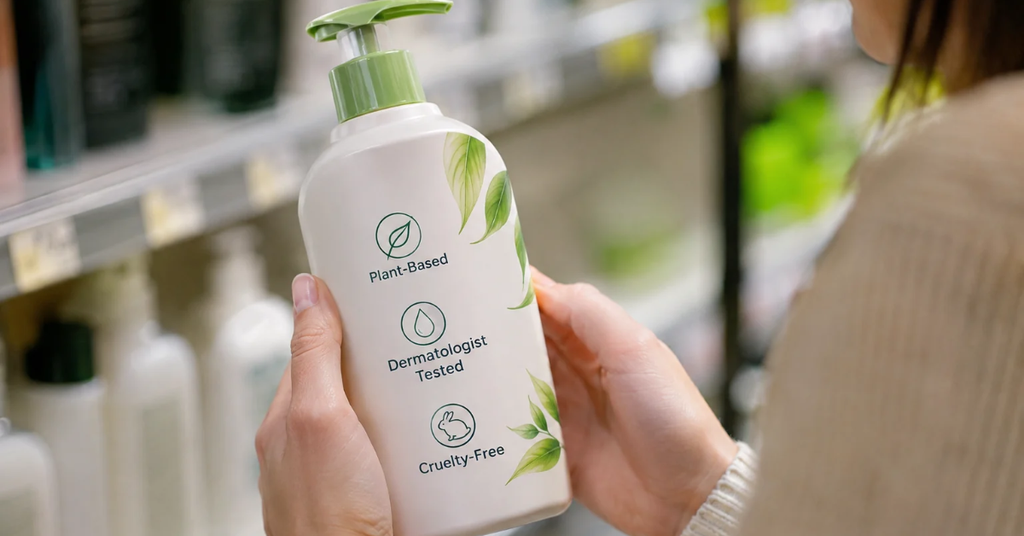
Sustainability and ethical claims are tied to environmental impact or sourcing, such as “carbon neutral” or “cruelty-free.” It’s also an area where vague wording can quickly backfire.
Under the FTC’s Green Guides, brands must avoid broad, unqualified environmental promises and back up specific eco-friendly claims with clear evidence.
Testing how consumers interpret this language helps you catch misleading phrasing before it draws regulatory scrutiny or buyer pushback.
What Product Claims Testing Measures
To compare claims fairly, each is evaluated against the same set of metrics: credibility, relevance, uniqueness, purchase motivation, and overall preference. Tracking these metrics side by side shows which claims belong front and center on your packaging and which ones fall flat.
Credibility
Does the consumer actually believe the product claim, or does it feel like an exaggeration? This is typically measured with a rating scale, and a claim that falls short here is a red flag no matter how appealing it sounds.
Relevance
Does the consumer actually care about the claim being presented to them? While a claim can be completely believable, it still might not matter to the consumer.
This is also where the difference between table stakes and nice-to-have claims starts to show.
Table stakes are the claims consumers expect from any product in the category. They rarely help a product stand out, but leaving them off can be a dealbreaker.
Nice-to-have claims aren’t expected, but they can tip a purchase decision in favor of one product over another.
Uniqueness
Does the claim differentiate the product in its category, or does it feel generic and interchangeable with competing brands? Measuring uniqueness against the competitive set shows how your statement stacks up against others.
Purchase Motivation
Does the claim make the consumer more likely to buy, and by how much compared to other claims tested? This metric is most closely aligned with actual product sales, which is why it’s often weighed most heavily in the analysis.
Overall Claim Preference
When multiple claims are tested against each other, which one comes out on top, and by how much? This gives teams a clear ranking, and just as importantly, shows whether the winner is an obvious leader or barely ahead of other statements.
From there, claims can be sorted into tiers: which ones are table stakes that must be on the package, which ones are nice-to-haves that can help differentiate, and which ones aren’t worth the space.
Here’s a look into one of our recent product claims studies:
An established body wash brand wanted stronger messaging to stand out on shelves. Participants used the product at home for a set period, then evaluated claims covering skin feel, ingredients, and scent.
While skin feel and ingredient claims rated as important, consumers viewed them as basic expectations for any body wash. They belong on the package, but they wouldn’t necessarily give the buyer a reason to choose their brand over another.
Scent appeal and longevity, however, stood out as unique against competitors and matched what participants actually experienced in the shower.
The direction became clear: lead with scent and keep expected claims in a supporting role, avoiding the trap of promoting the same generic benefits as every other brand on the shelf.
We test product claims with real buyers. Let’s find your strongest one.
Claims testing and concept testing are related, but they answer different questions: concept testing checks whether the overall product idea appeals to buyers, while claims testing finds the specific statements that will sell it.
Key Difference
Product Claims Testing
Concept Testing
What is evaluated
Specific marketing statements and packaging copy
The full product idea (positioning, features, packaging, pricing)
Best product stage
Any stage (pre-launch, relaunch, or established products)
Early development for brand-new product ideas
Primary goal
Identify which individual claims are credible, unique, and drive purchase
Determine if target buyers find the overall product concept appealing and worth buying
Where they intersect
Once a concept wins, claims testing narrows down the exact supporting copy for the package
Validates the big-picture idea first so you aren’t testing claims for a product nobody wants
When to choose it
You already have a defined product and need to pick the strongest claims for packaging, ads, or product pages
You are still shaping a new product idea and need buyer validation before finalizing features or pricing
How to Test Product Claims
Conducting a product claims test follows five straightforward steps: gather the claims you want to test, pick a monadic or comparative test design, recruit your target audience, build the survey, and rank the results.
You can run this as a standalone survey or pair it with a product test, using standardized survey questions to pinpoint which statements are believable and motivate buyers to purchase.
Step 1: Identify the Claims You Need to Test
Start by listing every claim under consideration from your marketing, product, legal, and R&D teams, along with the claims your competitors are already using. Don’t worry if the list feels too long at first; narrowing it down is the whole point of the research.
If you’re also running a product test, it can uncover claims worth adding. When participants keep pointing out one thing they like about the product, such as how good it smells or how long the scent lasts, that’s a strong candidate to test.
Step 2: Choose Monadic or Comparative Testing
In monadic testing, each respondent sees and rates only one claim, which avoids the bias that comes from directly comparing options. In comparative testing, respondents see multiple claims side by side and rank or choose among them.
Monadic testing works best when you have a focused list of claims and want a true deep dive into what people like, dislike, and find motivating about each one. If you’re narrowing down a massive list of 50 claims, working with a lower budget, or folding claims into an existing survey, comparative testing is a much more practical fit.
Chris Coville
Research Principal
Step 3: Recruit Your Target Audience
Claims only matter in the context of the people who will actually see them. Recruit respondents who match your target buyer profile, such as people who regularly buy products like yours, rather than a general population sample.
Step 4: Design the Survey
Build a survey that measures credibility, relevance, uniqueness, and purchase motivation, and ask the same questions for every claim so the results can be compared directly.
If you’re layering claims testing into a product test, always put the claims section at the end. You want participants to rate the product honestly before they read any marketing language that might sway their opinion.
Step 5: Analyze and Rank Claims by Performance
Once data collection is complete, score each claim across your key metrics and rank them. From there, each statement usually falls into one of three buckets: move forward, refine (such as softening phrasing that feels exaggerated), or drop it entirely.
Across any study, prioritize claims that score high on both relevance and uniqueness, since those are the statements that set your product apart from competitors. When product testing is also part of the research, add one final check: confirm that your top-scoring claims match what participants actually experienced during real-world use.
Test Your Product Claims With Drive Research
Our team at Drive Research specializes in primary research, including product and claims testing, concept testing, and IHUT programs. We often build claims testing into product studies so brands can see which claims matter most to consumers, whether they’re launching something new or trying to improve an existing product.
Real use often produces the best claims, too. In a dishwasher pod relaunch, our in-home usage test surfaced the exact phrases consumers used to describe the results, and those phrases went into the relaunch ads.
Share a bit about your product, the claims you’re considering, and your timeline, and we’ll recommend the right approach for your team.
How to Approach Package Testing for Consumer Products
Guides
Ad Concept Testing Surveys [Marketer’s Guide for 2026]
Blog Posts
MaxDiff Analysis: What Is It & How to Use It
When You Give Us A Cookie
We analyze more than data—we also track how our site is used to improve your experience. Cookies help us understand what’s working so we can deliver the most relevant insights. Click “Accept” to enable full functionality.
Functional
Always active
The technical storage or access is strictly necessary for the legitimate purpose of enabling the use of a specific service explicitly requested by the subscriber or user, or for the sole purpose of carrying out the transmission of a communication over an electronic communications network.
Preferences
The technical storage or access is necessary for the legitimate purpose of storing preferences that are not requested by the subscriber or user.
Statistics
The technical storage or access that is used exclusively for statistical purposes.The technical storage or access that is used exclusively for anonymous statistical purposes. Without a subpoena, voluntary compliance on the part of your Internet Service Provider, or additional records from a third party, information stored or retrieved for this purpose alone cannot usually be used to identify you.
Marketing
The technical storage or access is required to create user profiles to send advertising, or to track the user on a website or across several websites for similar marketing purposes.