In today’s rapidly evolving business landscape, staying ahead of the competition requires more than just a great product or service. It demands a deep understanding of the market, consumer behavior, and emerging trends. This is where the market research process becomes invaluable. In this blog post, we will delve more into market research and explore...
There is never a wrong time to do market research. However, most research projects are birthed because a company or organization is at a crossroads. Whether you’re a startup or Fortune 500 company, you’ll have critical decisions to make. This blog will detail common market research examples and how our clients have used them to...
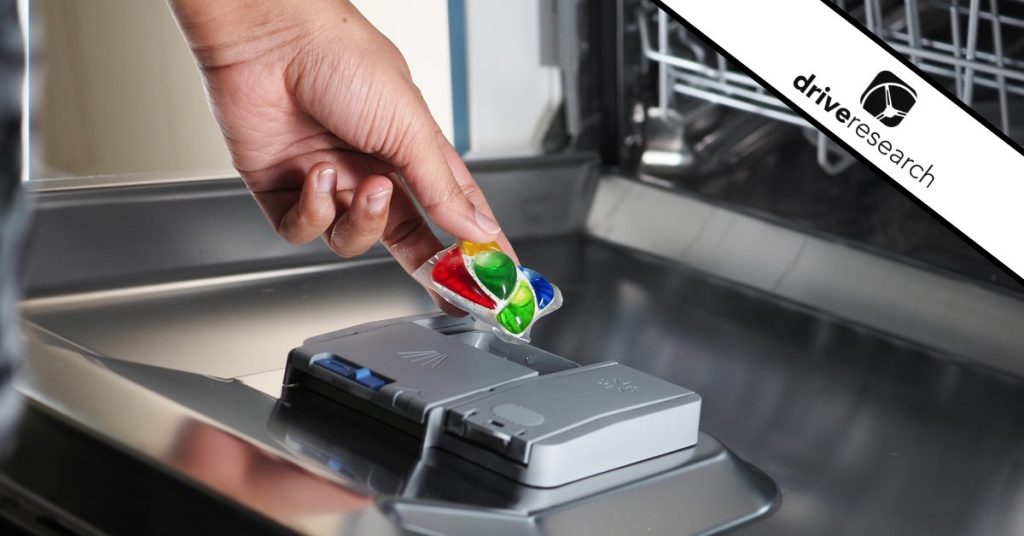
A national online retailer was preparing to relaunch a private-label dishwasher pod after earlier product issues raised concerns about customer satisfaction.
The product team needed to understand whether the updated formula performed well enough in everyday kitchens, not just under controlled testing conditions. They also wanted to know where problems could still appear, especially for households dealing with hard water, dried-on food, grease, film, or water spots.
Drive Research conducted an in-home usage test to evaluate the new dishwasher pods across real household environments. The product test helped the retailer assess overall performance, identify remaining quality concerns, and determine whether the pods were ready to move closer to relaunch.
Evaluate product performance before relaunch with a custom IHUT.
For product and quality managers, a relaunch carries a different level of risk than a first-time launch.
The team is not only trying to prove that the updated product works. It also needs to confirm that the changes actually address the issues customers experienced before.
With dishwasher pods, poor performance can take several forms. A pod may fail to dissolve completely. Dishes can come out with residue, cloudy film, or visible water spots. Grease may remain on cookware, while dried food may require a second wash.
These problems are especially damaging because they undermine the product’s main promise: making dishwashing easier.
The Key Takeaway: The retailer wanted to understand whether the updated pod could deliver a consistent clean across different types of loads and household conditions. The research also needed to show whether any remaining concerns were isolated incidents or signs of a broader product quality issue.
Recruiting Households to Test Dishwasher Pods
Drive Research recruited 125 consumers who regularly purchased and used dishwasher pods.
The sample intentionally included participants from hard-water areas.
These households were especially relevant because mineral content can make spotting, film, and residue more noticeable.
Including them increased the likelihood that the study would surface issues that might be missed in a less targeted sample.
Each participant received a set of dishwasher pods and was asked to use the product several times before completing the survey. This gave consumers enough experience to evaluate performance across more than one load.
The products were also presented without visible branding. By removing the retailer’s name and product purpose, the study limited the influence of existing opinions about the brand.
How the IHUT Was Designed to Stress-Test the Product
Drive Research managed participant screening, product shipment, study communication, survey programming, and response follow-up. The study generated feedback from nearly all recruited participants, giving the retailer a strong base for evaluating the relaunch direction.
Here’s a look at the small details we included to collect the most valuable feedback for the retailer.
Research choice
How it supported the product team
Prioritized hard-water households
These consumers were more likely to detect film, mineral spots, or other rinse-related problems.
Required multiple wash cycles
Participants could evaluate consistency rather than judging the product after one unusually easy or difficult load.
Removed brand identification
Feedback reflected the washing experience instead of expectations tied to a retailer or private-label name.
Asked participants to compare against their usual pod
This gave the team a practical benchmark based on products consumers already trusted and purchased.
Test updated formulas in the households most likely to expose flaws.
Participants rated the pod’s effectiveness on glassware, plastic items, silverware, grease, and dried-on food. They also completed package testing to determine whether the pod dissolved completely and stayed intact in the packaging.
These details mattered because a dishwasher pod can perform well in one area and still create frustration elsewhere.
For example, a pod may remove grease effectively but leave a cloudy film on glasses. It may dissolve during a standard cycle but struggle in a shorter wash. It can also work well inside the machine while creating inconvenience if pods stick together or tear in the package.
The IHUT questionnaire captured these types of distinctions:
Cleaning performance. Participants described whether dishes came out clean, shiny, and free of leftover food. The study also examined harder tasks, including baked-on residue and oily cookware.
Residue and water spots: Consumers reported whether they noticed film, residue, or water spots after washing. Follow-up questions explored how serious the issue felt and whether it was better or worse than what they experienced with their current product.
Pod design and handling: The study measured whether the pods dissolved fully and remained separate inside the package. These are easy details to overlook in technical testing, but they can influence how consumers judge convenience and quality.
Scent after washing: Participants also evaluated the fragrance of the pod and the scent left on dishes. While cleaning performance mattered more overall, scent still shaped the final impression for some users.
Key Findings and How They Shaped the Dishwasher Pod Relaunch
Key Finding: The updated pods performed well on core cleaning needs
Participants generally found the dishwasher pods convenient, effective on common dishware, and reliable at dissolving during the wash cycle.
How it was applied: The retailer could move forward knowing the updated product showed promise on the attributes consumers valued most.
Key Finding: Some performance issues still appeared in certain households
A smaller group reported challenges with dried-on food, residue, film, or water spots.
How it was applied: Product and quality teams could compare these concerns with lab results, prior complaints, and internal quality thresholds before finalizing the relaunch.
Key Finding: Not every complaint pointed to a broad product failure
The research showed how often each issue occurred, how serious it felt, and whether it was worse than the participant’s usual brand.
How it was applied: The retailer could separate isolated experiences from patterns that may require additional formulation work.
Key Finding: Consumer language revealed potential review risks
Written feedback showed how customers might describe both strong cleaning performance and frustrating issues after launch.
How it was applied: The team could protect the product’s strongest features while addressing problems most likely to appear in online reviews.
Drive Research helps product and quality teams evaluate how products perform before launch or relaunch. Our product testing company manages recruitment, product distribution, fieldwork, and reporting so teams can compare supplier options, uncover quality concerns, and make more informed product decisions.
How to Approach Package Testing for Consumer Products
When You Give Us A Cookie
We analyze more than data—we also track how our site is used to improve your experience. Cookies help us understand what’s working so we can deliver the most relevant insights. Click “Accept” to enable full functionality.
Functional
Always active
The technical storage or access is strictly necessary for the legitimate purpose of enabling the use of a specific service explicitly requested by the subscriber or user, or for the sole purpose of carrying out the transmission of a communication over an electronic communications network.
Preferences
The technical storage or access is necessary for the legitimate purpose of storing preferences that are not requested by the subscriber or user.
Statistics
The technical storage or access that is used exclusively for statistical purposes.The technical storage or access that is used exclusively for anonymous statistical purposes. Without a subpoena, voluntary compliance on the part of your Internet Service Provider, or additional records from a third party, information stored or retrieved for this purpose alone cannot usually be used to identify you.
Marketing
The technical storage or access is required to create user profiles to send advertising, or to track the user on a website or across several websites for similar marketing purposes.